
Listening Closely to Arlington’s Past—and America’s Story
History is often taught as a series of dates and events, but Encore Learning’s upcoming history classes invite participants to listen more closely — to the voices, experiences, and places that have shaped Arlington and the nation over time. Through walking tours, conversation, storytelling, and multimedia, the courses explore history as a living community narrative, highlighting people whose contributions were overlooked, challenged convention, or quietly endured, and whose stories continue to resonate in Arlington today.
This Spring, Encore Learning is offering five courses ranging from local explorations of Arlington’s neighborhoods to broader examinations of national movements and cultural voices.
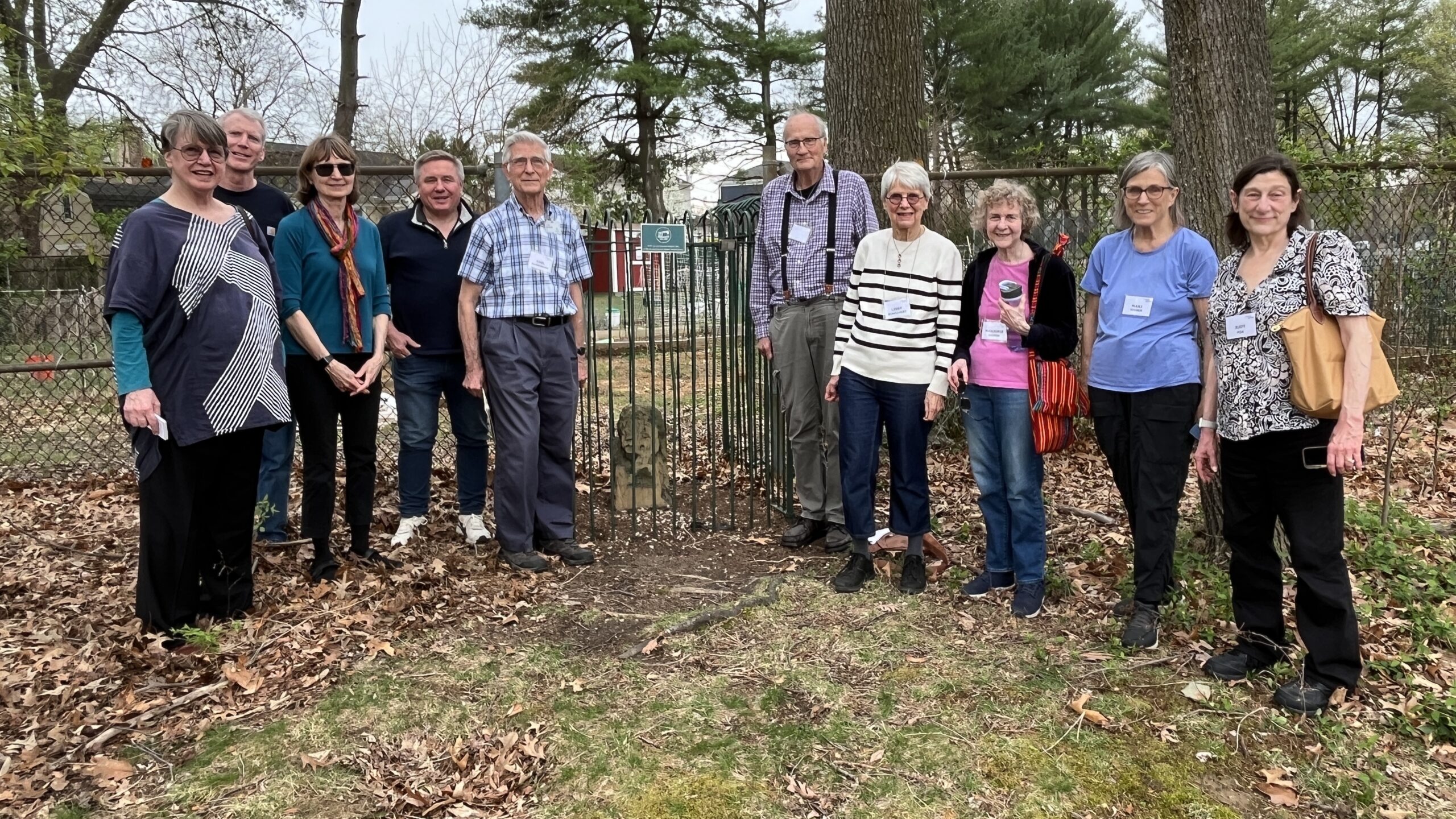
Roots, Resistance, and Resilience: Black History & Community in Arlington brings participants into the neighborhoods and institutions shaped by African Americans over more than two centuries. Guided walking tours and conversations with historians and community leaders illuminate stories from the lives of enslaved and free Black families along Columbia Pike to the strength of Green Valley and the enduring legacy of Lomax AME Zion Church. With multiple speakers, the course also explores how preserving Black heritage through documentation and oral history informs today’s conversations about justice and belonging.
Equity is further examined in Poverty and Disparities in the Land of Opportunity, taught by instructor Anne Vor der Bruegge, and looks at economic inequality in Arlington and across the country. Using local data and national research, participants explore how housing, wages, and public policy affect community stability, while challenging common myths about poverty and considering ideas for meaningful change.
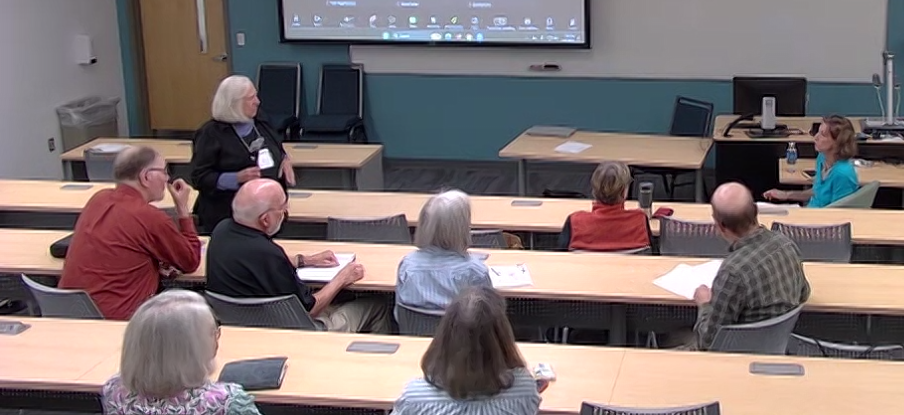
Our popular course Arlington History, led by Karl VanNewkirk, surveys the county’s past from before European settlement to the present, with each session held in a different historic building or neighborhood. Topics include the Civil War, Reconstruction, Jim Crow, and civil rights, revealing how Arlington’s landscape reflects both division and progress.
Two courses broaden the lens to the national stage. America’s Revolutionary Women Journalists, 1876–1976 with Janet Auten highlights women who reshaped public discourse through reporting and commentary, from Ida B. Wells to Joan Didion. Stephen Ruth’s course on America at 250: Voices That Tell Our Story uses speeches, songs, and multimedia to trace America’s evolving ideals as the nation approaches its 250th Anniversary.
Together, these courses invite participants to engage with history not as a finished story, but as an ongoing conversation—one rooted in place, shaped by voices, and deeply connected to the community we live in today.